Security Sirens for Seniors
The main siren guide with a deeper caregiver checklist and system comparisons.
This legacy siren archive helps senior households choose alarms that deter intruders without creating panic, confusion or repeated false-alarm stress.
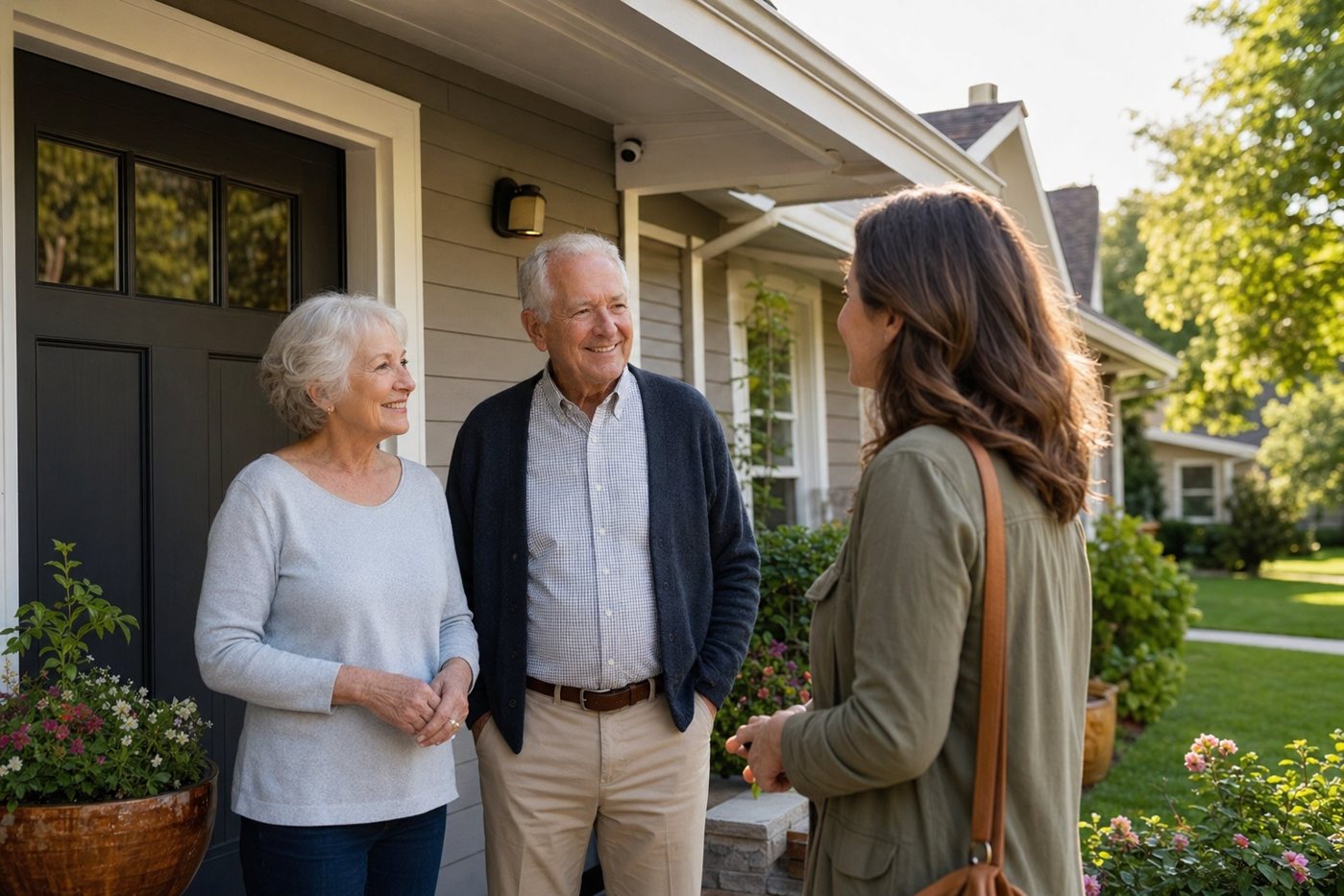
A siren should be part of a response plan, not just a loud device. For older adults, the safest setup combines a predictable sound, enough entry delay, clear cancellation steps and a trusted person who knows what happens after an alarm.
| Siren type | Best use | Senior setup note |
|---|---|---|
| Base-station siren | Main burglary alarm inside the home. | Test volume with the senior present and document how to cancel a false alarm. |
| Keypad or panic siren | Emergency button near entry, bedroom or main chair. | Keep labels simple and avoid placing panic buttons where they may be pressed accidentally. |
| Camera siren | Porch, side gate, driveway or backyard deterrence. | Use person detection and manual activation rather than every motion event. |
| Outdoor siren | Detached garage, rural property or high-risk exterior access. | Check local nuisance rules and neighbor impact before choosing a very loud unit. |
The main siren guide with a deeper caregiver checklist and system comparisons.
Compare sirens built into hubs, cameras, floodlights and doorbells.
A straightforward base-station siren and monitored alarm option for many older adults.
Use this before activation so alarms, contacts and cancellation steps are clear.
The right siren gives the household time and attention. It should never leave a senior alone with a frightening noise and no clear next step.
Camera sirens can help outdoors, but they need careful motion zones and caregiver control so they do not create constant false alarms.
No. Extremely loud alarms can increase panic and confusion. Test the sound and prioritize reliable response over maximum volume.
Document the alarm code, cancellation process, monitoring call sequence, emergency contacts and who is responsible for checking false alarms.