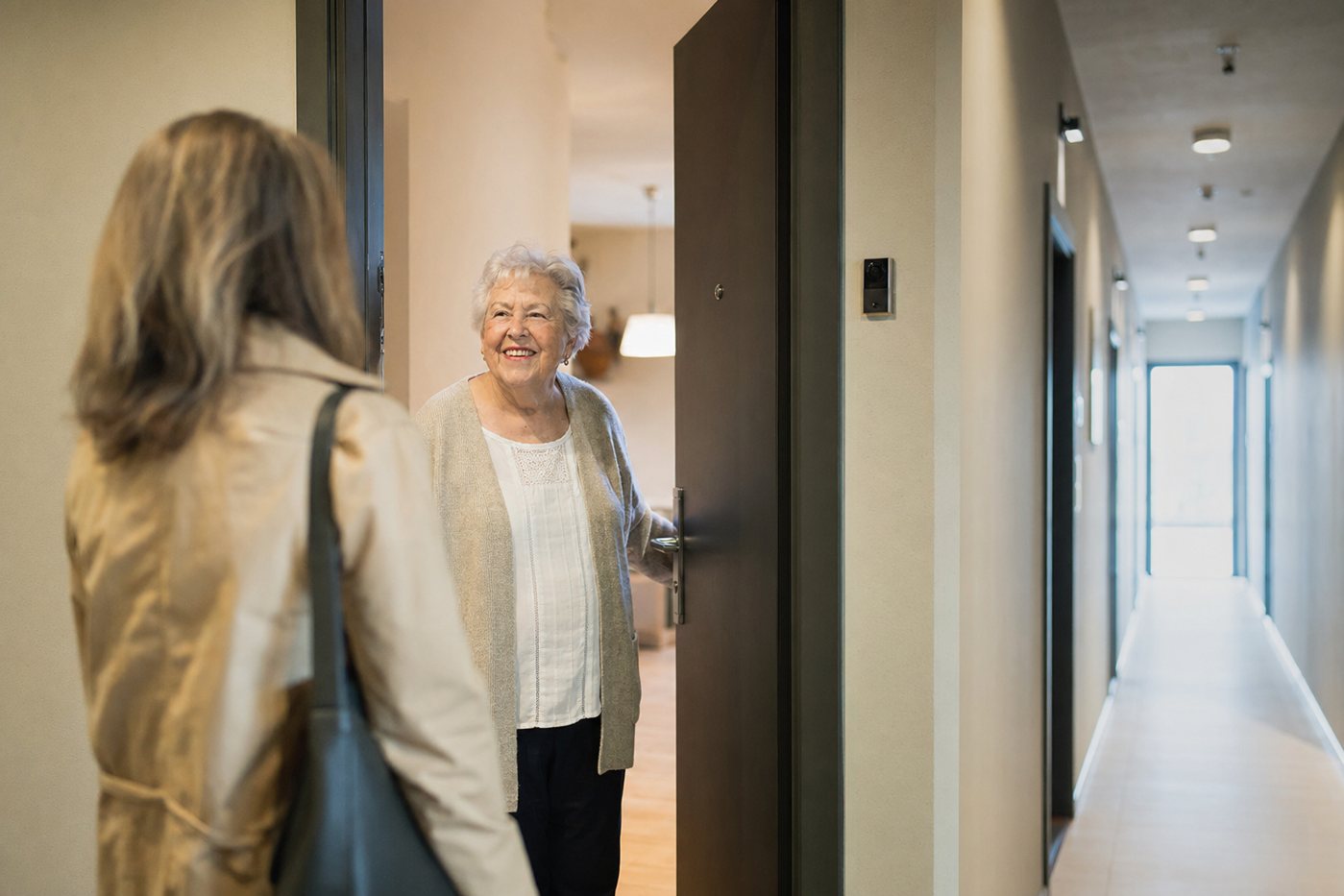
Apartment-friendly systems should be renter-safe, wireless, simple to remove and strong on entry protection.
Senior-first recommendations
- Start with doors, windows and monitored smoke detection before adding complicated extras.
- Choose a system the senior can arm and disarm without opening an app every time.
- Set up at least two trusted emergency contacts and test notifications together.
- Write a one-page alarm routine and leave it near the keypad.
- Review cancellation terms before accepting discounted equipment.
Best systems to shortlist
| Rank | System | Best for seniors | Senior score | Typical cost |
|---|---|---|---|---|
| #1 | SimpliSafe | Best overall for most seniors | 9.4/10 | From about $21.99/mo monitoring |
| #2 | ADT | Best professional monitoring network | 9.1/10 | Professional install + monthly monitoring |
| #3 | Cove | Best simple monitored DIY system | 8.9/10 | Affordable equipment + monitoring plans |
| #4 | Ring Alarm | Best for camera-first households | 8.6/10 | Low-cost monitoring with Ring plans |
| #5 | Abode | Best for Apple Home and smart homes | 8.4/10 | Self-monitoring or paid plans |
| #6 | Vivint | Best premium smart-home install | 8.2/10 | Premium equipment and monitoring |
| #7 | Frontpoint | Best guided DIY setup | 8.0/10 | DIY equipment + monitoring |
| #8 | Alder | Fast response-focused monitored security | 7.7/10 | Quote-based packages |
Common mistakes
The biggest mistake is buying the most advanced system instead of the most usable one. Seniors do better with clear routines, fewer false alarms and support from family or professional monitoring.
Frequently asked questions
What should caregivers ask before buying?
Ask who will install it, who will get alerts, what happens during a false alarm, how cancellation works and whether the senior can use it without frustration.
Should every senior have cameras?
No. Cameras can help at entrances, but they should be used carefully and with consent. Sensors and monitoring may matter more.
How often should the system be tested?
Test sensors, batteries and emergency contacts at least twice a year, and after internet or phone changes.