Do you need saved clips?
Live view alone is not enough if caregivers need to review missed visitors, deliveries or suspicious motion later.
The best outdoor camera for an older adult is not always the sharpest or most expensive one. It is the camera the senior can live with every day: reliable alerts, simple power, clear night vision, respectful privacy and caregiver access when needed.
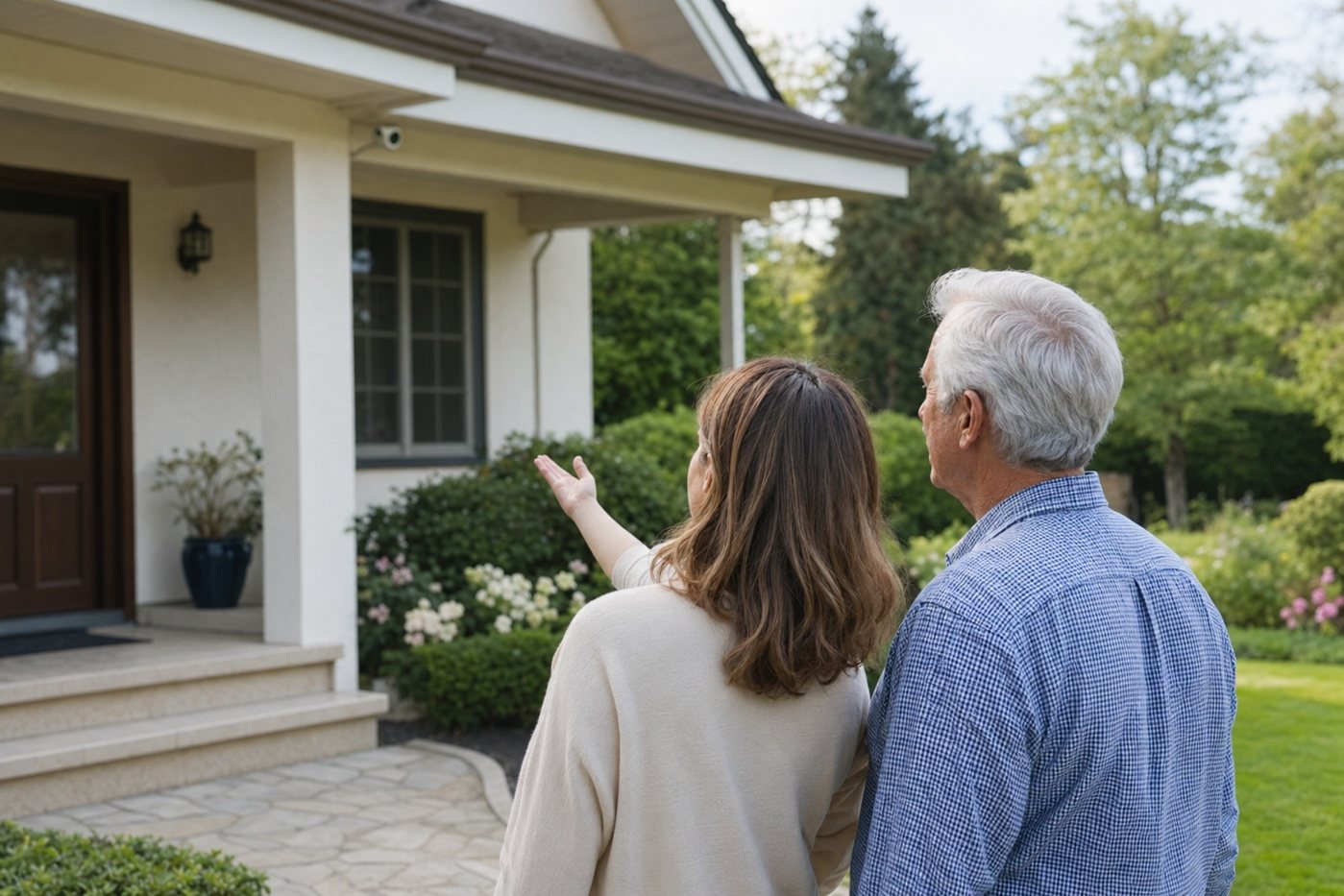
Quick answer: for most seniors, start with one camera or doorbell at the main entry, then add driveway, side gate or backyard coverage only if there is a real safety need. A smaller, well-tuned camera plan beats a noisy system that sends alerts all day.
Before comparing brands, decide who will install the camera, who receives alerts, whether battery charging is realistic, whether cloud recording is worth the monthly cost, and which areas should never be recorded.
| Camera type | Best senior use | Watch-outs |
|---|---|---|
| Video doorbell | Front doors, package checks and avoiding unnecessary trips to the door. | Hardwired models may need an installer; battery models need charging. |
| Plug-in outdoor camera | Porches, garages and covered areas where an outlet is available. | Power cable placement must avoid trip hazards. |
| Battery outdoor camera | Renters, gates and spots without easy wiring. | Someone must manage charging or solar placement. |
| Floodlight camera | Driveways, yards and dark side entrances. | Installation is usually electrical work, and lights can annoy neighbors if aimed poorly. |
| Local-storage camera | Families trying to avoid recurring cloud fees. | Caregivers may need more technical confidence to retrieve clips. |
Start with the front door. It answers the highest-value question: who is at the door and should the senior answer? Next, add the driveway or path from parking to the entrance if falls, lighting or late arrivals are concerns. Side gates and back doors are useful only when they are actual access points.
Avoid cameras in bedrooms, bathrooms and general living spaces unless the senior clearly wants that monitoring and understands who can view it. For many families, door sensors, smart locks and professional monitoring are a better privacy balance than indoor cameras.
Live view alone is not enough if caregivers need to review missed visitors, deliveries or suspicious motion later.
Some plans price per device and others cover multiple devices. Check before adding extra cameras.
Make sure a trusted caregiver can receive alerts without sharing the senior's main password.
Older adults should not be pushed into a plan they cannot cancel or understand.
Wired or plug-in cameras are usually better when installation is practical because they remove the battery-charging routine. Battery cameras work well for renters and unusual locations, but someone needs to own charging and maintenance.
Most homes should start with one front-door camera or video doorbell. Add more only for a real safety problem such as a dark driveway, side entrance or detached garage.
No. Cameras help with awareness, but they do not replace smoke detection, door sensors, monitored security, medical alert buttons or a caregiver plan.