Medical Alert vs Home Security System
Understand why medical alert devices and security systems solve different emergency problems.
Home medical supplies sit beside home security in a senior safety plan: they help prevent falls, support emergencies and make it easier for caregivers to respond when something goes wrong.
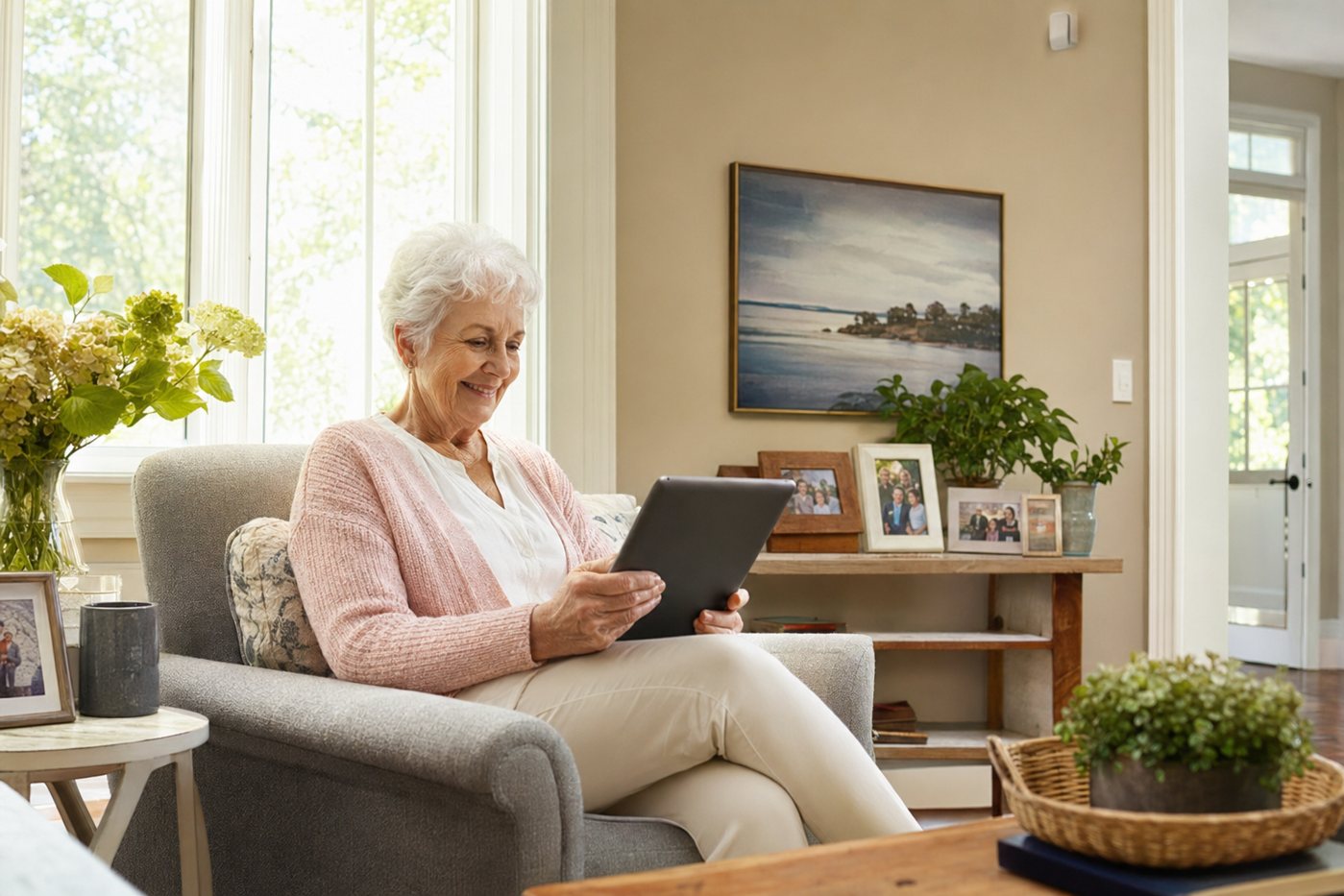
This legacy product-category page focuses on practical, non-clinical supplies that support aging in place. It is not medical advice; use it as a caregiver checklist for safer routines, clearer emergency information and better coordination with alarms, cameras and medical alert devices.
| Need | Helpful supply | Security connection |
|---|---|---|
| Fall prevention at night | Motion night lights, non-slip mats, stable bedside flashlight | Reduces risky trips when responding to a doorbell, alarm or bathroom need. |
| Emergency response | Medical alert pendant, visible emergency contact sheet, lockbox for responders | Helps caregivers and emergency services respond faster when an alarm or wellness concern occurs. |
| Medication routine | Simple pill organizer and refill checklist | Reduces confusion during stressful security events, outages or caregiver handoffs. |
| Mobility around entrances | Grab rail, cane stand, clear shoe area and weather mat | Makes it safer to reach the door, keypad, mailbox or package drop spot. |
| Power outage readiness | Rechargeable lantern, battery bank, labelled charger cables | Keeps phones, cameras, medical alert bases and Wi-Fi equipment usable during short outages. |
| Caregiver coordination | Printed device list, passwords in a safe system, service phone numbers | Lets a trusted helper troubleshoot alarms, cameras and alert devices without guesswork. |
Understand why medical alert devices and security systems solve different emergency problems.
Plan locks, lighting, alarms, cameras and everyday safety for a senior who wants to remain at home.
A practical room-by-room checklist for family members helping with security and safety decisions.
Add low-tech lighting backup for outages, front-door checks and emergency kits.
Home medical supplies are most useful when they make daily routines safer and make emergencies easier for a trusted caregiver to handle.
They are part of the broader safety plan. Locks, alarms and cameras protect the home; supplies like lighting, contact sheets, lockboxes and medical alert devices help the person inside respond safely.
Start with fall risks, emergency contact visibility, charging routines and whether the senior can easily reach phones, alerts and exits.
No. A home security system is mainly for intrusion, fire or environmental monitoring. A medical alert is designed around personal emergency help.