Security Cameras for Elderly Parents
The main guide for camera placement, consent, caregiver access and avoiding surveillance creep.
For senior homes, surveillance cameras should answer practical safety questions without making the older adult feel watched. Start with clear consent, limited locations and calm notifications.
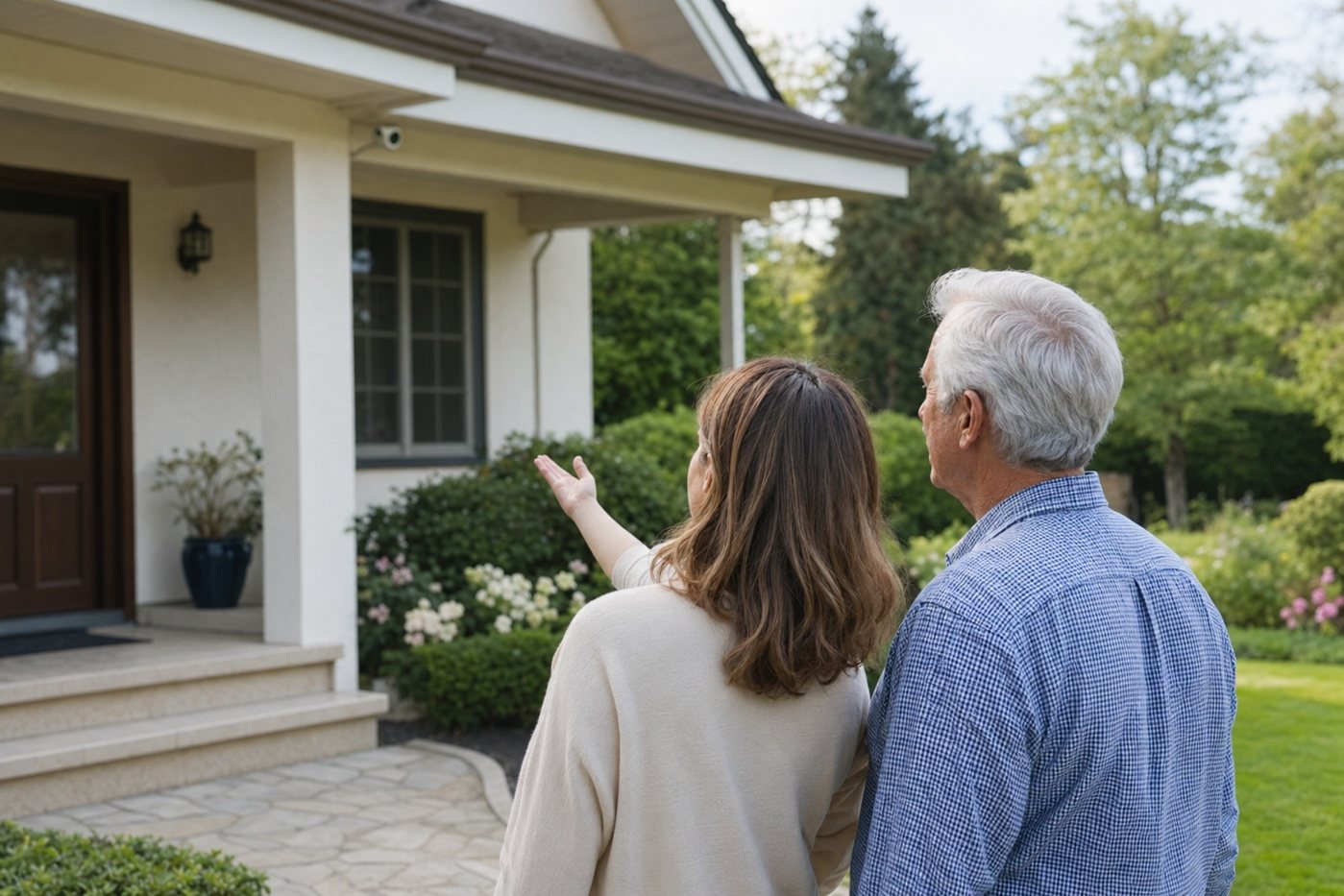
This archive page reframes “surveillance cameras” as a senior-safety planning topic. The right setup may be one front-door camera, a driveway camera, or a monitored alarm with cameras added later. The wrong setup is a pile of alerts nobody understands.
The main guide for camera placement, consent, caregiver access and avoiding surveillance creep.
A camera hub covering doorbells, outdoor cameras, subscriptions, privacy and alert fatigue.
Compare doorbells, outdoor cameras, indoor cameras and camera-first product categories.
Use this when professional dispatch, entry sensors or a keypad routine matter more than camera footage.
| Location | Use it for | Senior-specific caution |
|---|---|---|
| Front door | Visitor screening, packages and two-way talk. | Keep notifications narrow so routine street motion does not become stressful. |
| Driveway | Vehicle arrivals, deliveries and nighttime movement. | Avoid ladder-heavy installation or battery locations the senior cannot reach. |
| Side gate | Less visible approaches and backyard access. | Confirm Wi-Fi coverage and weather protection before relying on alerts. |
| Indoor common area | Rare cases where the senior requests reassurance or fall-risk context. | Use only with clear consent and avoid bedrooms, bathrooms and private spaces. |
| Whole-home kit | Multiple exterior angles managed by a caregiver. | More cameras mean more alerts, subscriptions and privacy decisions. |
Start with the smallest camera setup that solves a real safety problem, then expand only after the senior and caregiver can manage alerts calmly.
They can be safe and useful when they are limited to clear safety purposes, installed with consent and tuned to avoid alert fatigue. They become risky when privacy is unclear or nobody maintains them.
Often yes, but access should be limited to trusted helpers and reviewed regularly. The senior should know who can view live video, recordings and settings.
No. Cameras help with awareness and evidence, but they do not replace monitored intrusion, smoke, carbon monoxide or medical emergency response.