Video doorbell
Best for screening visitors and deliveries. Prefer clear audio, a wide but controlled view, safe wiring or charging, and shared caregiver access.
Choose cameras, doorbells, recorders, storage, and power around a clear safety need—and around who will install, maintain, and respond to the equipment.
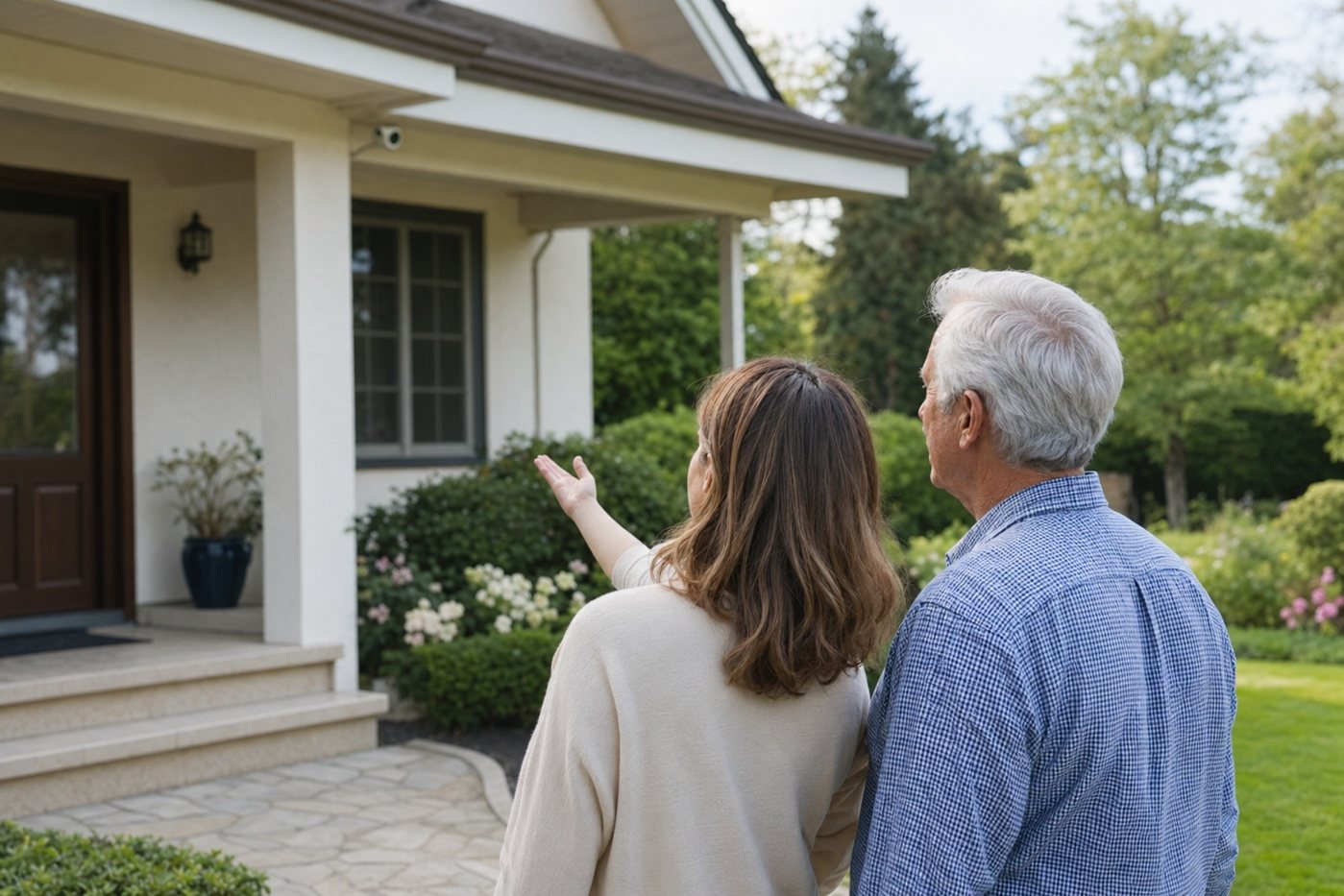
For an older adult, the best surveillance setup is usually small and deliberate: one useful view at the front door, reliable power, understandable alerts, respectful privacy, and a trusted person who can help when something goes offline.
Best for screening visitors and deliveries. Prefer clear audio, a wide but controlled view, safe wiring or charging, and shared caregiver access.
Useful for driveways, side gates, garages, and yards. Check night detail, weather rating, lighting, Wi-Fi, and whether maintenance requires a ladder.
Use only with informed consent and a specific need. Aim at common entry areas, avoid private rooms, and make recording indicators and access rules clear.
An NVR, DVR, hub, or microSD card can reduce subscriptions and preserve some recording during internet outages. Protect the device and test clip export.
Consent, placement, caregiver access, and practical boundaries.
Compare camera types, power, storage, and subscriptions.
Outdoor lighting, alerts, power choices, and maintenance.
A front-door option for households already using Google Home.
Usually one front-door camera or video doorbell, provided it solves a real visitor or delivery concern and has a safe power and response plan.
Local recording can reduce subscriptions and may keep working during internet outages. Cloud storage is easier to access remotely. Compare retention, export, privacy, and who maintains the recorder.
No. Give each person only the alerts they can act on. Broader maintenance alerts can go to a caregiver while the senior receives simple visitor or door notifications.