Security Cameras for Elderly Parents
The main guide for consent, placement, caregiver access and privacy boundaries around an older adult's home.
Video surveillance around a senior's home should be limited, understandable and respectful. The goal is safer entrances and faster caregiver context — not constant monitoring.
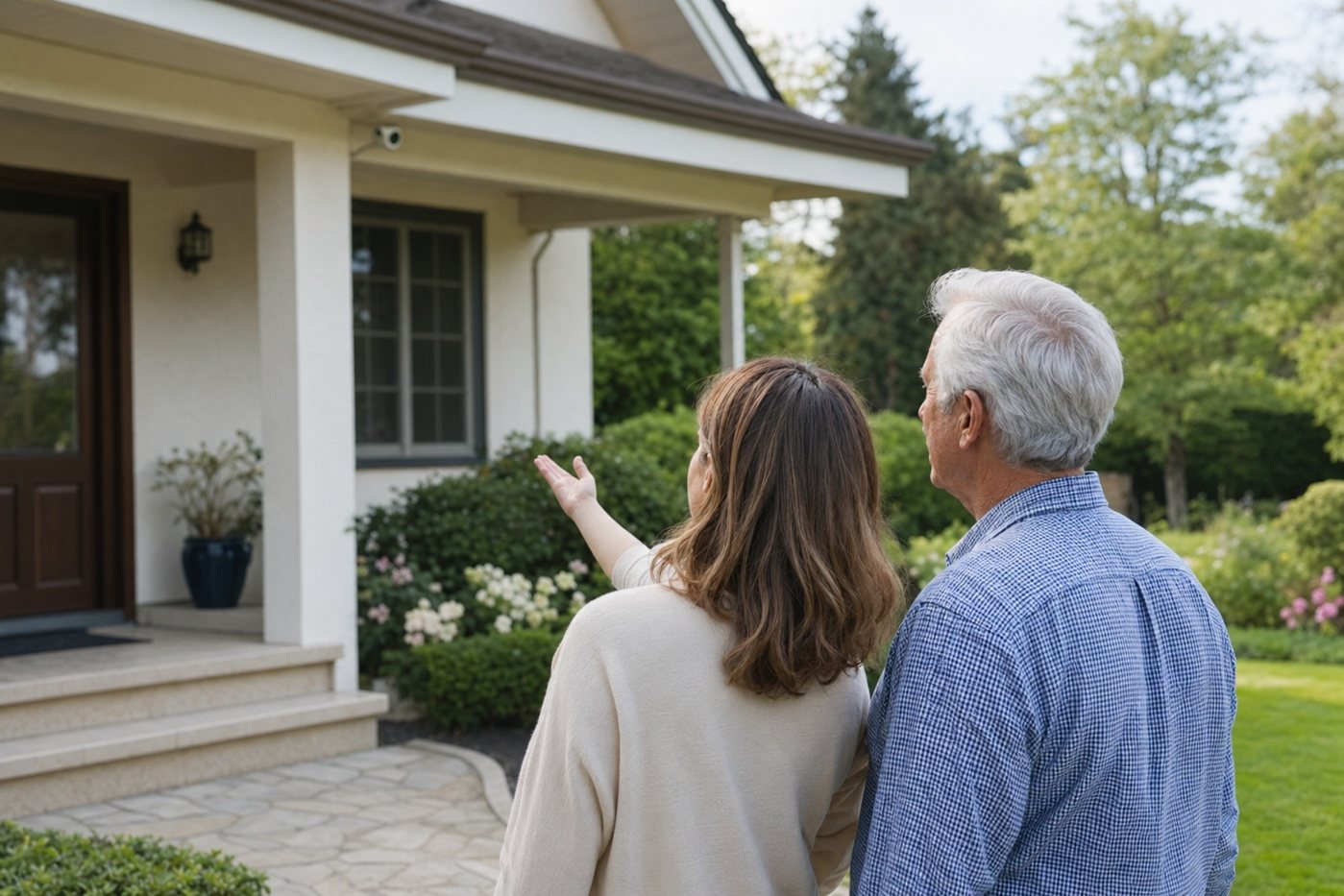
Use this page as a practical hub for older adults, adult children and caregivers deciding where cameras belong, who should receive alerts, how recordings are handled and when a camera-only setup is not enough protection.
The main guide for consent, placement, caregiver access and privacy boundaries around an older adult's home.
A companion hub for planning front-door, driveway and side-gate coverage without overwhelming the household.
Compare camera types, subscriptions, notification settings and senior-friendly setup decisions.
Use this when professional monitoring, entry sensors or emergency dispatch matters more than video clips.
| Camera location | Best use | Senior-first guardrail |
|---|---|---|
| Front door | Visitors, packages and two-way talk. | Limit alerts to people or doorbell presses so routine street motion does not become stressful. |
| Driveway | Cars, care visits and nighttime movement. | Use safe power and placement; do not put batteries where the senior must climb to recharge them. |
| Side gate or yard entry | Blind spots and less visible approaches. | Confirm Wi-Fi and lighting before relying on the camera for real-time awareness. |
| Garage or shed | Tools, stored equipment and access doors. | Keep notifications caregiver-managed if alerts are frequent or not urgent. |
| Indoor common area | Only when the senior requests a specific safety use. | Avoid bedrooms, bathrooms and private spaces; review consent regularly. |
If a camera would make the older adult feel watched rather than safer, redesign the setup or choose a monitored security system instead.
Video surveillance is an awareness tool. It does not automatically send police, fire or medical help, and it depends on Wi-Fi, power, subscriptions and someone noticing the alert. Seniors who need emergency dispatch should compare monitored systems, medical alerts and smoke or carbon monoxide monitoring alongside cameras.
It can be helpful when it is focused on clear safety needs, installed with consent and tuned so alerts are manageable. It is not a replacement for monitored emergency response.
Often yes. A caregiver can receive lower-priority alerts or review clips while the senior only receives important doorbell or person alerts.
Most homes should start with one or two exterior cameras, usually the front door and the most important secondary entrance. Add more only if the household can maintain them calmly.