Security Cameras for Seniors
A senior-first hub for choosing camera locations, notifications, subscriptions and privacy boundaries.
Color night vision can make nighttime clips easier to understand, but it only helps when lighting, placement and alerts are set up for the way an older adult actually uses the home.
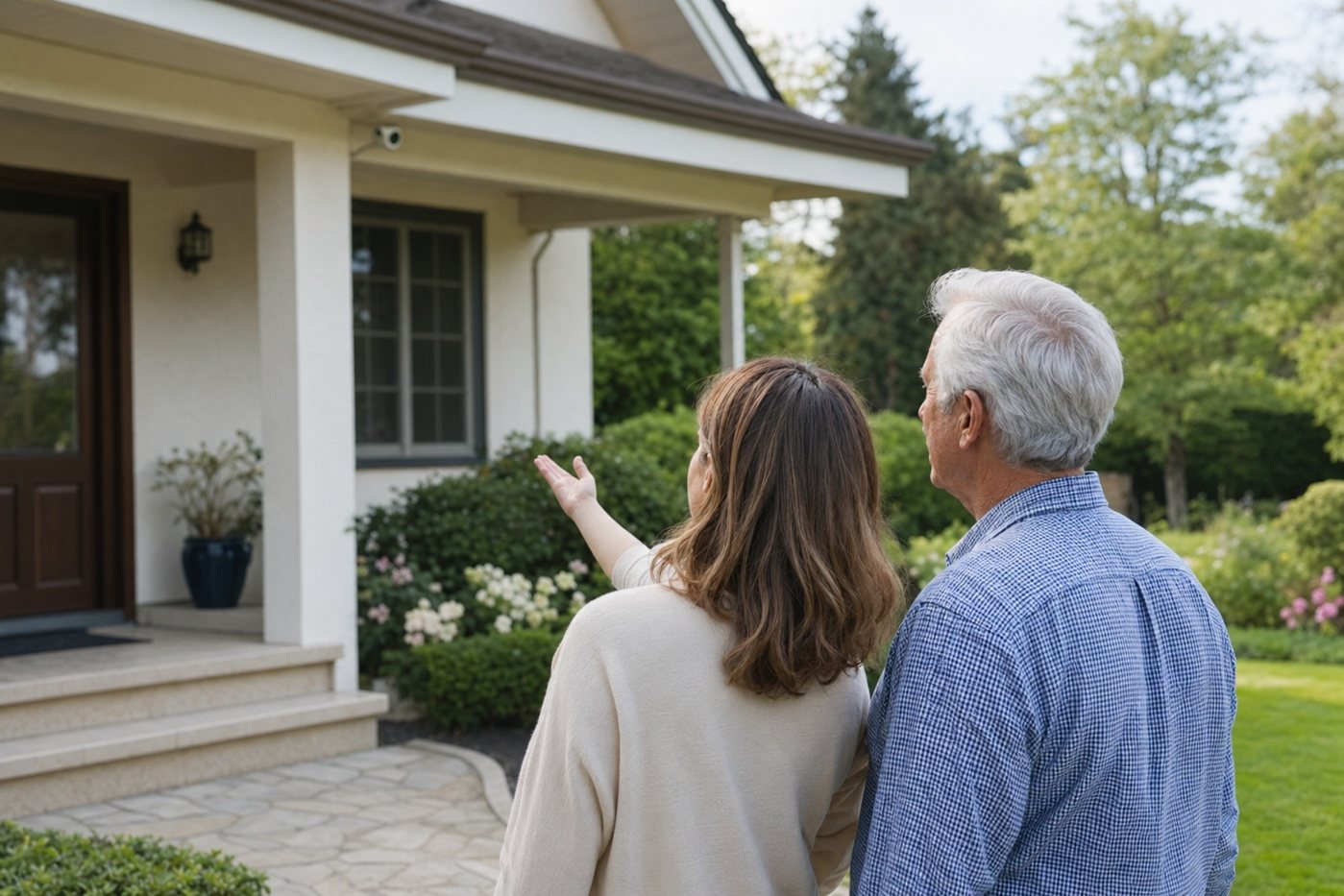
This tag page is for families comparing cameras that advertise color night vision. For seniors, the practical question is simple: will the camera clearly show who is at the door or near the driveway after dark without causing constant notifications?
Traditional infrared night vision often produces black-and-white footage. Color night vision uses available light, a spotlight or image processing to preserve more color detail. That can help identify clothing, vehicles, packages and the direction someone approached from, especially around a front door or driveway.
Color night vision is most useful when the entry area has steady low lighting or a camera spotlight. In complete darkness, results vary by camera.
A senior-first hub for choosing camera locations, notifications, subscriptions and privacy boundaries.
Compare camera types for doors, yards, indoor spaces and caregiver-supported monitoring.
Doorbell-camera considerations for alerts, family sharing and nighttime visibility.
Placement, power and weather considerations for exterior cameras around senior homes.
It can be easier to interpret, but it usually needs some available light or a built-in spotlight. Infrared may still be more reliable in very dark areas.
No. Most households should keep senior-facing alerts limited to important activity near the door, while optional or lower-priority alerts can go to a caregiver.
No. Good porch, path and driveway lighting still improves safety and often makes camera footage more useful.